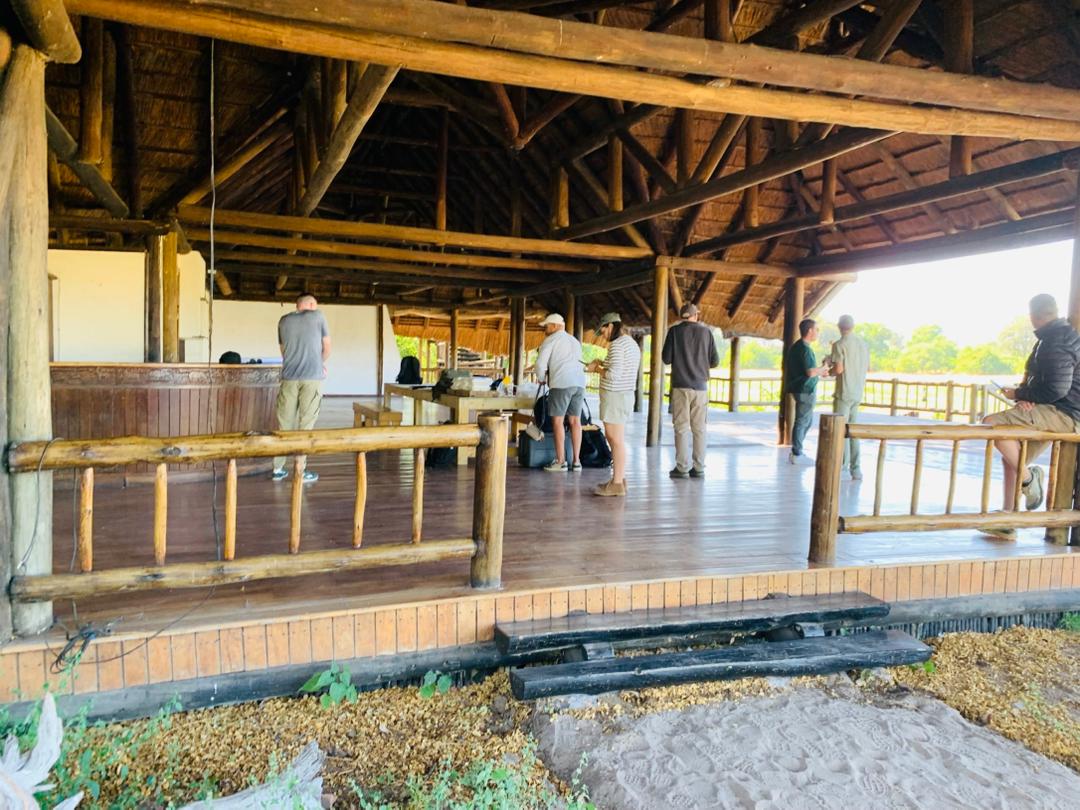
In the middle of the Okavango Delta, in the quiet Khwai village, nestled along the storied banks of the Khwai River, a new chapter is unfolding for one of Botswana’s most iconic safari destinations. The historic Khwai River Lodge, a pioneer in photographic safaris will be reborn in early 2026 as Sediba Sa Rona, a luxurious, eco-conscious safari lodge that balances heritage with innovation. Set between the eastern Okavango Delta and Moremi Game Reserve, the lodge commands one of Africa’s most vibrant wildlife corridors, where lions, leopards, wild dogs, elephants, hippos, and over 400–500 bird species roam freely. Founded in the early 1970s by famed safari guide Harry Selby, the original Khwai River Lodge earned its place in Botswana’s wildlife tourism history as the first photographic lodge of its kind in the region. Over decades, it became synonymous with intimate wildlife encounters, immersion in untamed landscapes, and the pioneering spirit of safari adventurism. In this reborn era, Sediba Sa Rona will carry forward that legacy with a modern twist: the lodge will be powered by solar energy. Running a lodge here is not just about hospitality, it is about finding practical and sustainable ways to operate in one of the most beautiful but remote places in Botswana. Sediba Sa Rona stands as a symbol of continuity and change, honoring the history of safari tourism in Botswana while leading the way into a future where luxury and sustainability thrive side by side.
For years, this lodge relied on diesel generators to keep the lights on and the water pumps running. It worked, but it came with big challenges. Fuel deliveries were expensive and complicated, the generators were noisy, and the environmental impact did not match the lodge’s vision for sustainable tourism. The Lodge Project emerges as a testament to sustainable tourism, redefining how luxury and conservation can coexist harmoniously. This visionary initiative underscores Botswana’s commitment to preserving its pristine wilderness while embracing clean energy and community empowerment. Sustainable Energy Botswana is proud to be bringing clean, reliable energy to the Khwai River Lodge, a state-of-the-art smart string Energy Storage System (ESS), engineered for redundancy, scalability, and resilience in remote conditions.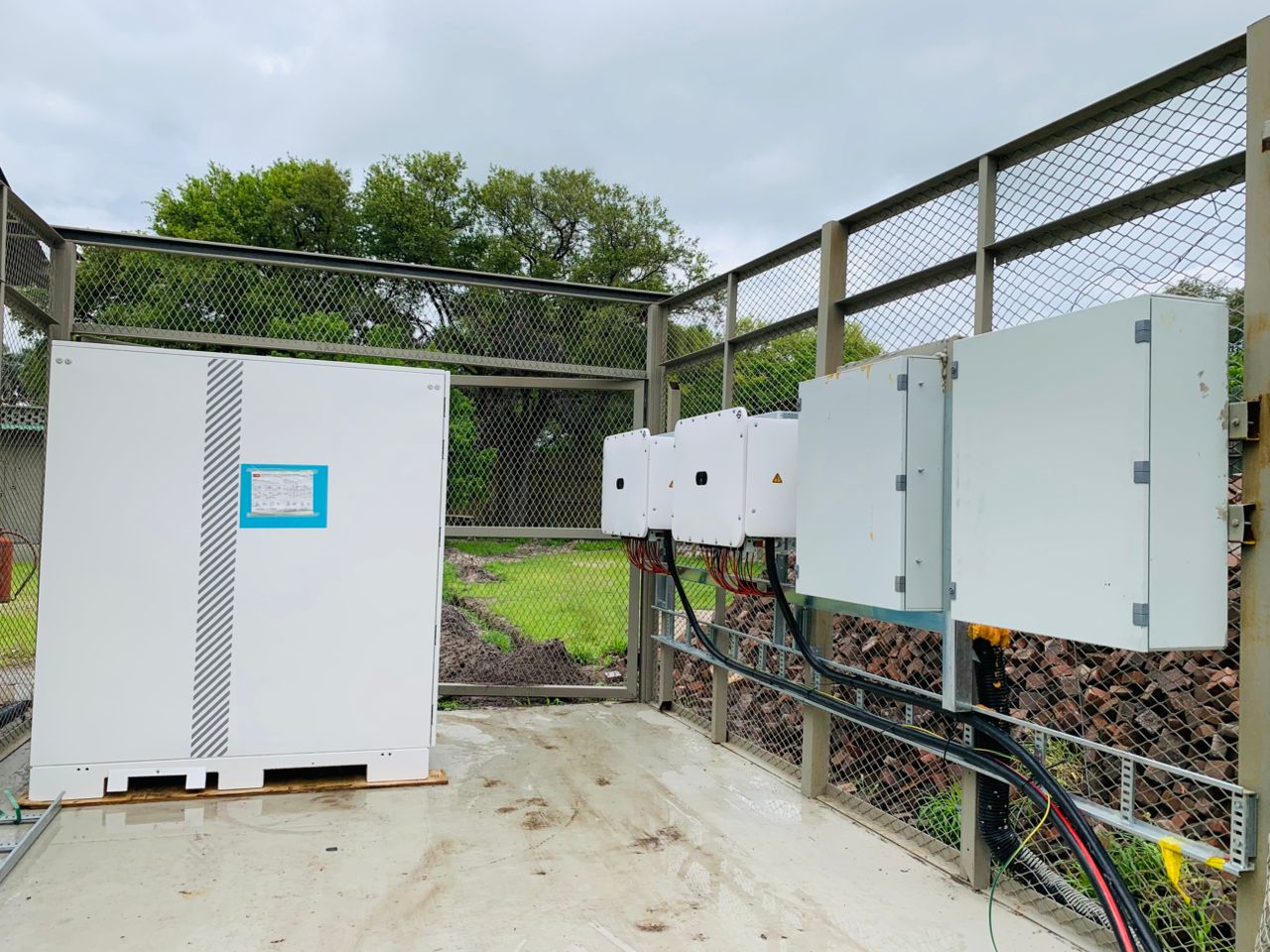
At the core of the system are two LUNA2000-215-2S10 Smart String ESS units, configured in parallel.
Key Advantages of the Parallel ESS Configuration
Built-in redundancy: If one string module requires servicing, the second continues supplying power, minimizing operational downtime.
Scalable capacity: Additional storage can be integrated seamlessly as demand grows.
Independent string management: Each unit manages its internal cells and power electronics independently, enhancing resilience in harsh climates.
This configuration provides higher usable capacity and output flexibility, a critical requirement for luxury hospitality operations in remote settings.
High-Capacity Inverter Integration
The energy storage system operates in tandem with two SUN2000-150K-MGO grid-interactive inverters, each rated at 150 kVA.
These inverters:
- Convert stored DC energy into stable AC power
- Optimize solar PV input
- Support seamless generator integration when necessary
- Supply both critical and non-critical lodge loads
From HVAC systems and commercial kitchen equipment to lighting, water systems, and guest services, the system ensures smooth transitions between solar generation, stored energy, and backup sources, significantly reducing reliance on diesel generators during low solar periods.
Intelligent Remote Monitoring
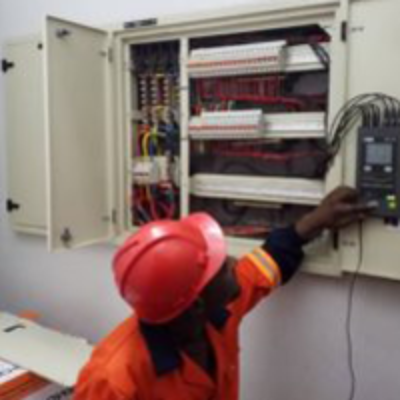
A Wi-Fi-connected smart logger provides real-time system monitoring and remote diagnostics. In an environment where physical access can be affected by terrain and wildlife activity, this capability enables:
- Live performance dashboards via web and mobile platforms
- Automated alerts for parameter deviations
- Remote troubleshooting and system optimization
This digital layer enhances uptime, operational reliability, and technical response efficiency.
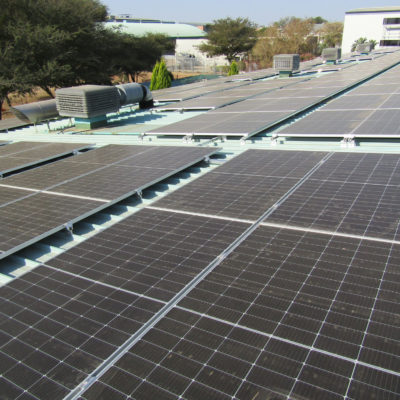
This landmark project will replace dependence on fossil fuels with a state-of-the-art solar power system, enabling the lodge to operate more sustainably while reducing its environmental footprint. By harnessing the power of the sun, guests will experience the same comfort and luxury, now powered by clean, renewable energy.
Getting the equipment to the lodge was no small task. The Delta’s mix of sand tracks and water channels makes 4x4s essential for moving around, and delivering supplies requires careful coordination. Khwai village is an incredibly special place where people and wildlife truly coexist.
This became clear during the construction of the solar plant, which was located just outside the lodge’s perimeter. The team worked under the constant watch of zebras and impalas, and many mornings began with fresh elephant tracks crossing through the site. The close presence of wildlife was something they had to get used to as the project went on.
The use of solar power means the animals can remain close to the lodge without being disturbed by the noise of a diesel generator. In a location where there is no access to the national grid, solar is not just an environmentally responsible choice; it is the most practical solution.
This project is more than just a power system. It is a step towards a more sustainable tourism industry in Botswana. It is proof that even in the most remote locations, cleaner energy is possible, and it can work in harmony with both the community and the wildlife that make the Okavango Delta so unique.
Sediba Sa Rona honors Botswana’s safari legacy while charting a path forward, where elegance, inclusivity, and ecological mindfulness converge. Set to make its mark in early March 2026, it promises a safari experience as soulful as it is spectacular, bringing the wild heart of Botswana to life with renewed purpose.